




























Everything You Need to Know About Vessavana, the God of Wealth and Fortune

Vessavana is a powerful celestial king who is one of the Four Great Kings, who govern the four cardinal directions, and is the guardian of the northern direction. In Buddhist tradition, he is also revered as the King of the Yakshas. Beyond his formidable authority as a celestial protector, Vessavana is also recognised in Hindu-Brahmanical tradition as Kubera, the God of Wealth and guardian of immense treasures.
For centuries, Vessavana has been one of the most revered deities among devotees, particularly for his associations with protection, safeguarding against danger, good fortune, and prosperity. His stories and significance are also found in Buddhist scriptures and important literary works, reflecting the many roles of this powerful celestial king.
In this article, RAVIPA invites you to discover the fascinating stories and beliefs surrounding Vessavana, from his origins and role as one of the Four Great Kings to the symbolism behind his sacred image. We will also explore the blessings traditionally associated with him, how to pay respect, worship practices, and other important things to know, offering a deeper understanding of the God of Wealth and the traditions surrounding his worship.
Table of content
The History and Origins of Vessavana, the God of Wealth
What Does Vessavana Represent?
Important Things to Know Before Worshipping Vessavana
Wat Chulamanee: A Popular Place of Worship Dedicated to Vessavana
Ways to Honour Vessavana Through Auspicious Symbols
Vessavana, the God of Wealth, the Guardian of Treasures and Protector Against Harm
Frequently Asked Questions About Vessavana
Who Is Vessavana?
Vessavana, also known as Kubera, is one of the Four Great Kings in Buddhist tradition. He governs and protects the northern direction who is also recognised as the ruler of the Yakshas.
According to traditional beliefs, Vessavana holds great authority over the Yakshas, spirits, and other supernatural beings. He is therefore revered as a guardian deity who protects against evil and harmful forces. In Hindu-Brahmanical tradition, Kubera is also the lord of wealth and treasures, symbolising prosperity and abundance.
The significance of Vessavana has long been associated with two complementary aspects: his divine authority as a protector and his association with material wealth and prosperity. These attributes have made him an important figure of devotion among those who honour his power and seek blessings for safety, stability, and prosperity in life.
Who Are the Four Great Kings?
The Four Great Kings, also known as the Four Heavenly Kings (Catummaharajika heaven), are celestial guardians who protect the four cardinal directions of the world according to Buddhist tradition. Each king governs a different group of supernatural beings and is responsible for maintaining peace and order in his respective direction.
|
Direction |
Heavenly King |
Beings Under His Protection |
|---|---|---|
|
East |
Dhatarattha |
Gandhabba (gandharvas) |
|
South |
Virulhaka |
Kumbhanda |
|
West |
Virupakkha |
Naga |
|
North |
Vessavana |
Yakkha (yaksha) |
Vessavana therefore holds the position of the Great King who guards the northern direction and rules over all the Yakshas. He resides in the Catummaharajika heaven alongside the other three Great Kings.
Other Names and Titles of Vessavana
Vessavana is known by several names across different languages and religious traditions. The most commonly recognised names include:
-
Vessavana: His name in Pali, as found in Buddhist scriptures.
-
Kubera: His name in Hindu-Brahmanical tradition, where he is revered as the God of Wealth and ruler of the Yakshas.
-
Vaisravana: His name in Sanskrit, used to refer to the same deity in Indian religious traditions and Buddhism.

The Appearance and Symbolism of Vessavana
The most familiar depiction of Vessavana is that of a tall, powerful figure with a commanding Yaksha-like appearance. He is traditionally portrayed in royal attire, wearing an elaborate crown and ornate jewelry, while holding a club or mace as a symbol of royal authority and protection.
In traditional Thai sculpture, Vessavana is commonly depicted standing with a club adorned with a jewel at its top, reflecting his status as a powerful celestial king. Details such as his royal garments, body colour, weapons, and posture may vary according to different artistic styles and religious traditions.
Interestingly, Vessavana is not represented solely as a formidable Yaksha king. He also appears in depictions with a refined, divine appearance and in the form of a wealthy royal figure. These variations reflect the influence and blending of religious beliefs and cultural traditions across different regions.
The History and Origins of Vessavana, the God of Wealth
The origins of Vessavana are particularly fascinating, as his stories appear in both Buddhist and Hindu-Brahmanical traditions. Each tradition highlights different aspects of his divine authority and important roles, which have gradually become part of the beliefs passed down through generations.
Vessavana in Buddhist Tradition
In Buddhism, Vessavana is one of the Four Great Kings who governs the northern direction and rules over the Yakshas. He plays an important role in protecting and safeguarding those who follow the teachings of the Buddha.
His story is notably recorded in the Atanatiya Sutta, a discourse in the Dīgha Nikāya of the Sutta Piṭaka. It recounts the occasion when the Four Great Kings visited the Buddha at Gijjhakūṭa (Vulture Peak), near the ancient city of Rājagaha.
During this meeting, Vessavana informed the Buddha that among the Yakshas, some held faith in the Buddha's teachings while others did not. He then presented a protective chant known as the Atanatiya Paritta, intended to safeguard monks, nuns, male lay followers, and female lay followers, allowing them to practise the Dhamma peacefully without disturbance from supernatural beings.
This protective chant is one of the foundations of the belief in Vessavana as a guardian of Buddhism and a protector against danger. It is also the origin of the continued recitation of the Āṭānāṭiya Paritta in Buddhist traditions to this day.
Vessavana in Hindu-Brahmanical Tradition
In Hindu-Brahmanical tradition, Vessavana is known as Kubera, the God of Wealth and guardian of the northern direction. He is regarded as the lord of treasures and ruler of the Yakshas, with Yakshas and Guhyakas serving as his attendants and guardians of his vast treasures.
According to the epic Ramayana, Kubera is the son of Sage Vishravas and the half-brother of Ravana. He originally ruled the kingdom of Lanka before Ravana took control of the city. This story further illustrates Kubera's status as a deity of immense wealth and the possessor of great treasures.
For this reason, Kubera is also known as Dhanādhipati, meaning Lord of Wealth. He symbolises prosperity, abundance, and material fortune. Devotees traditionally worship him for auspiciousness in financial matters, business, and the accumulation of wealth.
This aspect of Kubera as Dhanabadee also inspired RAVIPA's Jambhala Dhanabadee Collection, translating the symbolism of wealth and abundance into thoughtfully designed jewelry that allows the wearer to carry the meaning and blessings associated with Vessavana throughout everyday life.

What Does Vessavana Represent?
As the ruler of the Yakshas and a deity associated with wealth and treasures, Vessavana is revered for several aspects of his divine power. According to traditional beliefs, the blessings associated with him can be divided into four key areas:
-
Bestowing Abundance and a Continuous Flow of WealthAs the revered deity of wealth and treasures, Vessavana is worshipped for financial stability, thriving businesses, and a steady flow of income. Devotees pray for new sources of revenue and timely financial support, even in difficult times, so they may always have enough to live comfortably.
-
Protecting Assets and Preventing Financial Loss
Vessavana is believed to safeguard possessions against deception, fraud, and financial loss caused by ill-intentioned individuals. Like a guardian watching over a treasure vault, his protective presence symbolizes keeping hard-earned wealth safe. -
Enhancing Authority, Prestige, and Personal Charisma
As the mighty King of the Yakshas and one of the Four Heavenly Kings, Vessavana symbolizes authority and prestige. His blessings are believed to inspire confidence, support career advancement and successful negotiations, and help devotees earn trust and respect while overcoming obstacles. -
Dispelling Inauspicious Influences and Warding Off Harm
Vessavana is believed to dispel misfortune and negative influences, warding off danger and ill-intentioned individuals. His protection offers reassurance and strength in difficult times, while symbolizing an opening for good fortune and new opportunities.
How to Worship Vessavana
How Many Incense Sticks Should You Use to Worship Vessavana?
Devotees commonly use either nine or five incense sticks when paying respect to Vessavana as an expression of reverence and devotion. However, there is no universally fixed requirement regarding the number of incense sticks, as practices may vary between temples and religious traditions.
What Offerings Should You Prepare for Vessavana?
Common offerings presented to Vessavana by devotees include:
-
Fresh Flowers: Offered as a symbol of respect, devotion, and sincere intentions.
-
Drinking Water: A simple and traditional offering suitable for worship.
-
Fruits: Commonly presented as an expression of reverence and to invite auspiciousness.
-
Incense and Candles: Used as part of worship ceremonies according to the customs of each temple or location.
A Simple Step-by-Step Guide to Worshipping Vessavana
For those who wish to begin worshipping Vessavana, the following basic steps can serve as a simple guide:
- Prepare the Worship Area: Clean the area where the sacred image is placed and arrange the offerings appropriately.
- Prepare the Offerings: Arrange flowers, drinking water, and other offerings according to your preferences and religious customs.
- Light the Incense: If permitted at the location, light the incense according to the number recommended by the temple or place of worship.
- Quiet Your Mind: Take a moment to calm your thoughts and respectfully reflect upon the Triple Gem and the divine virtues of Vessavana.
- Recite the Prayer and Make Your Wish: Recite the worship chant according to your beliefs and offer your prayers with sincere intentions, remaining committed to goodness and virtuous conduct.
-
Complete the Offering: Once the worship is finished, arrange or dispose of the offerings appropriately and leave the area clean and tidy.
For a more detailed guide to the prayers, you can also read our article on the Make a Wish to Vessavana, Prayer Guide for Wealth and Protection

Important Things to Know Before Worshipping Vessavana
-
Maintain Good Conduct and Practise Virtue: Be mindful of your thoughts, words, and actions. Avoid harming others or causing unnecessary suffering.
-
Earn a Living Honestly: Refrain from fraud, exploitation, or acquiring wealth through dishonest means.
-
Practise Generosity and Share with Others: Show kindness and compassion, and avoid becoming overly attached to material possessions.
-
Make Wishes with Good Intentions: Pray for things that do not cause harm or hardship to yourself or others.
-
Maintain a Respectful Worship Area: If you keep a sacred image at home, choose a clean and appropriate location, and ensure that it is regularly maintained.
Wat Chulamanee: A Popular Place of Worship Dedicated to Vessavana
One of the best-known destinations for devotees wishing to pay respect to Vessavana is Wat Chulamanee, located in Bang Chang Subdistrict, Amphawa District, Samut Songkhram Province, Thailand. This historic temple has a long-standing history and serves as an important centre of Buddhist faith for the local community.
Wat Chulamanee is widely recognised for its sacred images of Vessavana, featuring several different forms based on the temple's religious traditions. It is also a popular destination for devotees who travel there to pay their respects and make wishes relating to good fortune, financial prosperity, career advancement, and auspiciousness in life. Many also pray for protection against evil forces, spirits, and black magic, in accordance with traditional beliefs.
If you are planning a visit, it is recommended to check the temple's opening hours and latest announcements before travelling. Visitors should also dress respectfully and follow the temple's rules and guidelines.
RAVIPA has also participated in a sacred ceremony honouring Vessavana through The Vessavana Worship Ceremony, Guardian of the Four Directions, at Bang Krachao, reflecting our appreciation for the faith and traditions surrounding this revered guardian deity and Lord of Treasures.

Ways to Honour Vessavana Through Auspicious Symbols
Vessavana is represented through various forms of sacred imagery, ranging from large statues enshrined in temples and smaller devotional figures for personal spaces to amulets and jewelry that devotees choose to carry with them.
The choice of how to honour Vessavana ultimately depends on individual faith and personal preferences. Common forms of worship and devotion include:
|
Form of Worship |
Suitable For |
Things to Consider |
|---|---|---|
|
Sacred Statues |
Those who wish to establish a dedicated worship area and pay respect regularly |
Choose an elevated, clean location and maintain the area regularly |
|
Images or Posters |
Those who wish to display a symbolic image as an expression of respect without setting up a dedicated altar |
Choose a clear image and an appropriate place to display it |
|
Jewelry |
Those who wish to carry the symbolism of Vessavana, representing authority, wealth, protection, and the warding off of negative influences in everyday life |
Choose a comfortable design suitable for everyday wear |
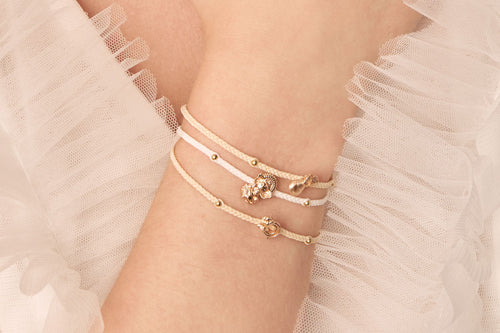
RAVIPA presents a collection of Vessavana jewelry designed to be effortlessly worn every day. Each piece reflects the symbolism of wealth, abundance, and protection, allowing wearers to keep these meaningful elements close wherever they go. The collection offers a variety of designs, including bracelets, necklaces, rings, and earrings.
Discover the latest The Treasure of Vessavana Collection, along with other Vessavana jewelry collections from RAVIPA. Each design carries its own symbolism and auspicious meaning, with selected collections having undergone traditional sacred consecration ceremonies following the White Magic tradition, allowing wearers to carry their faith and meaningful symbolism with confidence every day.

Vessavana, the God of Wealth, the Guardian of Treasures and Protector Against Harm
Vessavana, also known as Kubera, is the Great King who governs the northern direction and one of the Four Great Kings in Buddhist tradition. He is also recognised as the ruler of the Yakshas and, in Hindu-Brahmanical tradition, the deity who presides over treasures and material wealth.
With his formidable divine authority, Vessavana has been revered for generations. His blessings are traditionally associated with wealth, prosperity, authority, and protection against danger. Beyond beliefs surrounding good fortune and abundance, the worship of Vessavana also reflects the importance of virtuous conduct, generosity, and using one's wealth wisely.
For those who honour Vessavana and wish to carry the symbolism of wealth, authority, and protection with them, explore RAVIPA's Vessavana Collections. Inspired by the divine virtues of the Lord of Treasures, each piece is thoughtfully designed as meaningful jewelry to accompany you throughout everyday life.
Frequently Asked Questions About Vessavana
Who Is Vessavana?
Vessavana, also known as Kubera, is one of the Four Great Kings who governs the northern direction and rules over the Yakshas in Buddhist tradition. In Hindu-Brahmanical tradition, he is also recognised as the God of Wealth. He is therefore widely revered as both a celestial protector and a deity associated with wealth and prosperity.
How Many Incense Sticks Should You Use to Worship Vessavana?
Devotees commonly use nine incense sticks, while some traditions recommend five. The number may vary depending on the customs of each temple or place of worship, so it is best to follow the guidance provided at the location.
Where Is Wat Chulamanee, the Temple Dedicated to Vessavana?
Wat Chulamanee is located in Bang Chang Subdistrict, Amphawa District, Samut Songkhram Province, Thailand. The temple is well known as a place of worship dedicated to Vessavana. Visitors planning to pay their respects should check the temple's opening hours and announcements before travelling.
What is the Power of Vessavana?
According to devotees' beliefs, Vessavana is associated with protection against danger and harmful forces, as well as blessings for good fortune, financial prosperity, wealth, and authority.
Do You Need to Perform a Ritual Before Wearing Vessavana Jewelry?
There is no specific ritual required before wearing Vessavana jewelry. Wearers may choose to offer a personal prayer or recite a worship chant before putting it on, according to their own beliefs and traditions. Those who wish to carry the auspicious symbolism of Vessavana with them every day can explore the jewelry collections at RAVIPA.


