








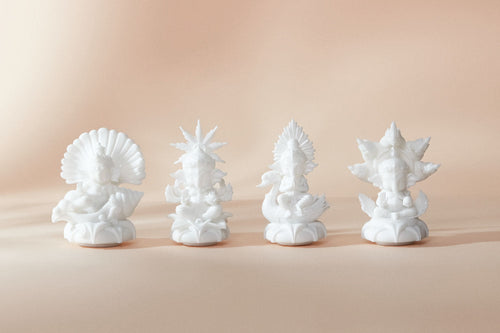























Make a Wish to Vessavana, Prayer Guide for Wealth and Fortune

Vessavana, is a revered celestial guardian who has been worshipped for centuries. As one of the Four Heavenly Kings, he governs the Northern direction and is widely recognized as the deity of wealth, treasures, and protection. With his great authority and legendary power, devotees traditionally pay homage to Vessavana to invite auspiciousness into their lives, seeking prosperity, abundance, success, and protection from danger and negative influences.
Reciting the Vessavana worship chant is one of the longstanding devotional practices passed down through generations. Whether as part of a daily prayer routine or a special worship ceremony accompanied by offerings and heartfelt wishes, the practice offers devotees a moment to express their faith and reflect on the blessings they hope to welcome into their lives.
RAVIPA has gathered the Vessavana worship chant, along with a simple worship guide and essential things to know, to help devotees understand the traditional practices and pay their respects with reverence, a peaceful mind, and a commitment to living with kindness and integrity.
Table of content
A Simple Guide to Worshipping Vessavana
May Vessavana's Blessings Bring Prosperity and Protection
Frequently Asked Questions About Worshipping Vessavana
Vessavana Prayer
Vessavana
God of Wealth
Namo Tassa Pra-ka-wa-tor Ara-hard-tor Sram-ma Sram-pud Tassa (3 Times)
E-ti-pi-so Pra-ka-wa
Yom-ma-ra-cha-no Thao-wet-soo-wan-no
Ma-ra-nung Su-kang A-hung Su-ka-tor Na-mo Put-tar-ya
Thao-wet-soo-wan-no Ja-tu-ma-har-ra-shi-kar
Yak-ka-pran-ta-pat-pu-ri-to
Wet-sa Pu-sa Put-tong A-ra-hung Put-toe
Thao-wet-soo-wan-no Na-mo Put-tar-ya
(Traditionally recited 3, 7, or 9 times)
Devotees may recite the chant regularly, whether in the morning before leaving home, before beginning an important undertaking, on Buddhist holy days, or on occasions when they wish to make offerings and pay special homage. For those who are new to this practice, the chant can be learned gradually. What matters most is approaching the prayer with sincerity, reverence, and a peaceful mind.
A Simple Guide to Worshipping Vessavana
Offerings for Vessavana can be prepared according to one's faith and convenience. Among the offerings traditionally associated with his worship are:
-
Incense: 9 sticks
-
Flowers: 9 roses
For those who wish to prepare a personal worship space, the following steps offer a simple guide to the practice.
- Prepare the worship space: Clean the area and arrange the statue or image of Vessavana neatly in an elevated position.
- Prepare the offerings: Arrange incense, flowers, and other offerings according to your preference.
- Light the incense and candles: Compose your mind and prepare for the prayer.
- Pay respect to the Triple Gem: Recite Namo three times to pay respect to the Buddha, the Dhamma, and the Sangha.
- Recite the Vessavana worship chant: Make a wish with sincerity and reverence.
- Dedicate merit and conclude the worship: Offer your farewell according to the local customs and tidy the worship space.
- Wear Vessavana Jewelry: Keep the symbolism of wealth, prosperity, authority, and protection close to you everyday through meaningful jewelry.
For those who wish to keep symbols of wealth and protection close, RAVIPA presents collections inspired by the distinctive imagery of Vessavana, reinterpreted through a contemporary minimalist aesthetic for everyday wear.

Discover The Treasure of Vessavana Collection, featuring the Treasure Bag design, a symbol of wealth, and prosperity, or explore more Vessavana jewelry in the Vessavana Collection by RAVIPA.
For more insights into Vessavana worship and related traditions, read The Vessavana Worship Ceremony at Bang Krachao and RAVIPA's Annual Ceremony of the Four Deities in 2026. You can also explore 9 Prayers for New Year's Eve 2026 for prayers to welcome a new year.
Who Is Vessavana?
Vessavana is a powerful celestial deity revered in Buddhist tradition. He is one of the Four Heavenly Kings, governing the Northern direction and serving as the king of the Yakshas. He is also widely recognized as the deity of wealth and treasures, symbolizing abundance, prosperity, and authority.
For centuries, devotees have paid homage to Vessavana, seeking auspiciousness in their lives, financial stability, professional advancement, and protection from danger and negative influences. His significance extends beyond material wealth, representing the strength and protection that devotees seek as they navigate life's challenges.
The Origins and Names of Vessavana
According to Buddhist tradition, Vessavana is one of the Four Heavenly Kings, celestial guardians who oversee and protect the world in the four cardinal directions. Vessavana governs the North, alongside Dhatarattha, guardian of the East; Virulhaka, guardian of the South; and Virupakkha, guardian of the West.
In addition to the name Vessavana, he is also known as Kubera, a name associated with wealth and treasures in religious and cultural traditions. These different names reflect the various ways in which the deity has been revered and recognized across traditions.

The Beliefs and Power of Vessavana
As the revered deity of wealth and a guardian figure, Vessavana has long served as a source of faith and spiritual reassurance for devotees. People traditionally worship him in the hope of inviting auspiciousness into their lives, particularly in matters of wealth, prosperity, authority, and protection.
The blessings devotees commonly pray for include:
1. Wealth, Abundance and Prosperity
Devotees pray for financial stability, business prosperity, and new opportunities for growth.
2. Protection of Wealth and Possessions
As a guardian of treasures, Vessavana is revered by those seeking protection from financial loss, deception, and ill intentions.
3. Authority, Success and Personal Advancement
Symbolizing strength and authority, Vessavana is worshipped by those wishing for career growth, successful endeavors, and recognition.
4. Protection from Danger and Negative Influences
Devotees pay homage to Vessavana in the hope of overcoming misfortune and finding protection from danger and negative forces.
May Vessavana's Blessings Bring Prosperity and Protection
Worshipping Vessavana can be part of both everyday life and special occasions. Devotees may choose a time that feels meaningful to them, offering their prayers with reverence and a peaceful mind while remaining committed to doing good. May all who hold faith in Vessavana enjoy peaceful lives, financial stability, continued success, and protection from harm under his divine guardianship.
To explore more stories and traditions surrounding Vessavana, discover The Vessavana Worship Ceremony: Honoring the Guardian of the Four Directions, or explore meaningful jewelry inspired by the deity through the Vessavana Collection by RAVIPA.
Frequently Asked Questions About Worshipping Vessavana
When Is the Best Time to Make a Wish to Vessavana?
There is no fixed time to worship Vessavana. Devotees may pray in the morning, evening, on Buddhist holy days, or whenever convenient. The most important thing is to choose a time when you can pray with a calm mind and maintain the practice consistently.
How Many Times Should You Recite the Vessavana Worship Chant?
The Vessavana worship chant is commonly recited 3, 7, or 9 times. Three or seven repetitions are often chosen for general worship or regular prayers before bedtime, while nine repetitions are commonly associated with wishes for good fortune, wealth, prosperity, and protection. Devotees may choose the number of repetitions according to their personal faith and convenience.
Can You Worship Vessavana Without a Statue or Image?
Yes. You can recite the worship chant even if you do not have a statue or image of Vessavana at home. Simply bring your thoughts to the deity with sincerity, reverence, and faith as you recite the prayer.
Will Worshipping Vessavana Bring Good Fortune?
According to traditional beliefs, devotees worship Vessavana in the hope of inviting auspiciousness into their lives, particularly in matters of wealth, prosperity, and protection. However, it is equally important to act with kindness, work diligently, and live with mindfulness and care.


